
Life span
Why We Age
– and Why We Don't Have To
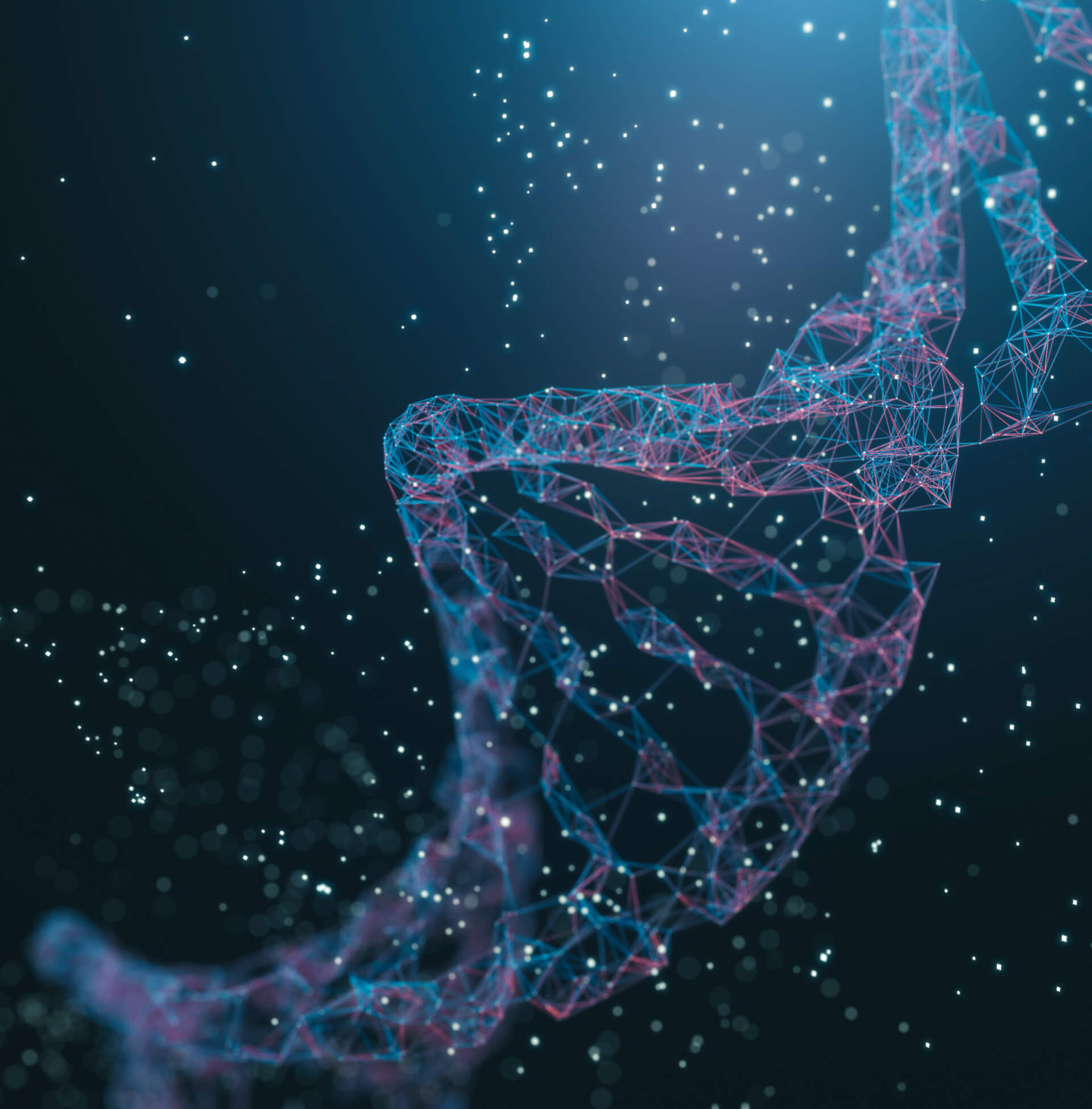
I was deeply moved by Professor David A. Sinclair's book, “LIFE SPAN: Why We Age– and Why We Don't Have To” The cutting-edge perspective of Western medicine, which views aging as a disease and intervenes at the molecular level to slow its progression, offers new hope for our future. However, aging is not merely about genetic or cellular changes; it is also closely intertwined with daily lifestyle habits and our state of mind.
Therefore, I find great significance in building upon the scientific foundation of Western medicine while incorporating the wisdom of Eastern medicine̶elements such as the harmony of qi, blood, and fluids; dietary therapy; meditation and breathing techniques; and coexistence with nature.
For instance, in diet, we incorporate organic ingredients, fermented foods, matcha, and other traditional foods with antioxidant properties. Physically, we practice moderate exercise and flexible body movements. Mentally, we calm the mind and alleviate stress through mindfulness and the ritualistic movements of the tea ceremony.
From a tea master's perspective, the act of preparing a single bowl of tea embodies the wisdom of “cherishing this very moment.” The spirit of tea̶harmony, respect, purity, and tranquility̶provides an inner anchor for confronting aging.
Thus, addressing aging is not merely about medical life extension; it is an endeavor to reclaim the beauty of daily life and inner tranquility. Only by integrating Eastern and Western wisdom can a truly healthy “world without aging” blossom.